Wonderfully skilled, kind compassionate independent vets practice. I’ve used them for twelve years for my two cats and they have provided excellent care and advice with a lovely human touch. I would recommend them every time.

Natasha Thorneycroft

My dog is quite anxious, and taking him to the vet can be so frustrating as he won’t let anyone touch / examine him. Natalia has been so amazing with him, I feel so lucky to have found her. She really cares about him and thinks ahead of how to accommodate him and support him when he is sick. She is always extremely responsive and thinks outside the box when needed. Having a rescue dog can be so scary from time to time and I can’t stress enough how grateful I am to have her as my dog’s vet.
Leanne Moser
Chop is our English Bulldog and she is quite lazy, but she is always enthusiastic to come along to see everyone at The London Veterinary Medicine Clinic as they are all so kind and make anything she needs doing an easy task. The Clinic keeps us informed of all the things we need to do to keep our dog healthy and when, in the past, she has had medical procedures, talk us through the options best for her. Thank you for your help!
Terry Newman
Bruce Fogle and his team are amazing vets. Have been able to diagnose even esoteric problems like our Westie who delveloped tremors (temporarily) after eating ivy…. and providing very compassionate care when we have had to say good bye to our beloved friend. Absolutely the best.
Kimberly Yurisich
Near Marylebone Station it’s pretty easy to find or they can provide scratch cards for parking if you drive. Its a very clean, bright and friendly place. All receptionist and nurses are extremely friendly, helpful and accomodating. In my experience Doctors are very knowledgeable and honest they will answer all your questions and explain everything in detail till you understand. Observe and examine your dog. My dog unfortunately had a tumor removal. They looked after him well with care and love. Dr. Ciara was very understanding towards our worries and saved our dog. Cannot thank them enough for this. Care will be ongoing but I am confident we found the best place.
The clinic is very caring and accommodating from the vets to the reception team. Today, they saw us on very short notice after our dog was poorly overnight. The care and attention is excellent and genuine. Thank you for taking such wonderful care of our dog.
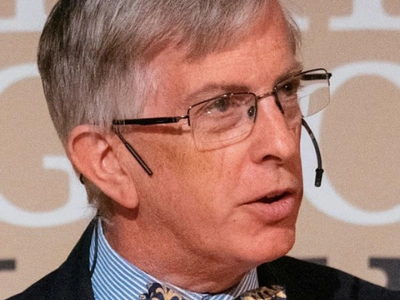
Dr Grant Petrie who oversees the second opinion services at the London Vet Clinic, has been at York Street since the 1990s and has advanced qualifications in both cardiology and internal medicine. A highly respected past President of the British Small Animal Veterinary Association (BSAVA) Grant provides his problem-solving abilities on Mondays and Thursdays to pets with conditions involving the heart, hormones, liver, kidney and bowel function.
Grant oversees all cancer treatments that we undertake. Grant frequently gives continuing education lectures to vets about advances in the treatments for diabetes in dogs and cats and is responsible for the clinic’s regular case reviews.
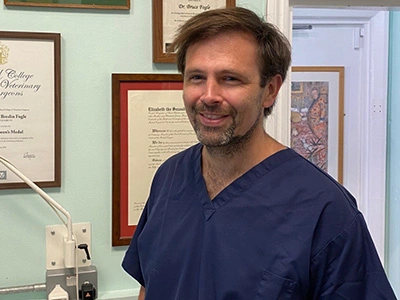
David has more letters after his name than anyone else at York Street! All of the vets are “members” of the RCVS (MRCVS) but David is a “fellow”, an FRCVS though his contributions to clinical teaching. More important, this affable academic, who runs Cambridge University vet school’s ophthalmology clinic, thinks the way we do about keeping interventions simple. He understands that less interference is often in our animal companions’ best interest.
In that context it’s not surprising that David also runs an ethics course for Cambridge’s vet students. At York Street David has the advanced diagnostic facilities to carry out eye examinations and repairs ensuring that all the dogs and cats he sees are back in their own homes the same day. David has over 230 publications in veterinary ophthalmology and animal welfare!
Lorem ipsum dolor sit amet, consectetur adipiscing elit. Ut elit tellus, luctus nec ullamcorper mattis, pulvinar dapibus leo.
Dr John Parker has been a specialist in veterinary neurology since 2011. He was Head of Neurology at Hamilton Specialist Referrals until it was acquired by a corporate veterinary business. John says that many referral hospitals are “governed by corporate policies and politics. This is not for me. I am excited to be working with the London Veterinary Clinic at the new frontier of specialist veterinary medicine; bridging the gap between general practice and referral hospitals.”
Some vets feel uncomfortable working in businesses that have core values different to their own. If John feels that advanced diagnostic imaging is in your companion’s interest (and it may be in 3 out of 20 individuals) he works with his colleagues at The Ralph, a large independent veterinary referral hospital 50 minutes aware near Marlow.
Dr Erin Brennan is our resident referral European dermatologist and diagnoses complex skin and ear conditions that don’t or won’t go away, or that go away then come back. These conditions often involve allergy, immune-mediated disease or secondary infectious disease, and frequently cause itchiness. At the Royal Veterinary College Erin’s work focussed on complex cases involving autoimmune diseases and infectious conditions. At University College Dublin’s School of Veterinary Medicine Erin is their resident visiting European specialist dermatologist.
Erin’s consultations at York Street are in the calm and quiet back consult room where her video microscope and other facilities are located. She works closely with the vet team to develop personalised care plans to improve your companion’s skin health and well-being.
Elise Robertson has over 15 years of clinical experienced in advanced endoscopy. Another American-born member of the York Street team, Elise graduated with honours from Colorado State University in the 1990s before completing her veterinary training at the Royal Veterinary College. She has worked with Bruce Fogle for over 20 years.
Like David Williams, Elise is also an FRCVS, a “fellow” by meritorious contributions to clinical practice”. Her skills mean that, when needed, cats and dogs can have outpatient, minimally invasive procedures such as liver biopsies, rhinoscopies, otoendoscopies or laparoscopies here at York Street rather than at referral centres.
Elise is a Board Certified Diplomate in Feline Practice. She teaches, lectures and publishes on feline medicine, endoscopy and endosurgery and regularly visits York Street.
The most common, sudden joint injury that dogs experience is a torn anterior cruciate ligament. James is one of the country’s most experienced veterinary surgeons using the ‘Tibial Plateau Levelling Osteotomy (TPLO) procedure to repair torn cruciates in dogs’ knees. He performs around 700 cruciate repairs each year and has been doing so for over 10 years.
James is equally proficient repairing slipping kneecaps, especially in small individuals and using an arthroscope to examine and repair painful elbow conditions, not uncommon in Labradors and similar size dogs.
James studied at Bristol University’s vet school when Stephen Warren was there, graduating in 2003. At York Street we have the facilities for James to carry out repairs ensuring that virtually all the dogs he operates on are back in their own homes the same day.
Peter Kertesz, the only dental surgeon in the UK to be awarded the position of Honorary Associate of the Royal College of Veterinary Surgeons, has been attending to complicated oral and dental conditions in dogs and cats at York Street for over 40 years. Bruce introduced Peter to the challenges of veterinary dentistry in the 1970s. One result is that Peter wrote the first textbook on veterinary dentistry, A Colour Atlas of Veterinary Dentistry and Oral Diseases.
Peter continues to travel worldwide treating primates, small and large cats, elephants, killer whales even walruses with painful dental conditions. Peter is available on Fridays to see dogs and cats with challenging oral conditions. Needless to say, he never undertakes cosmetic dentistry in animals. He only treats dental conditions that cause either illness or pain.
Sarah is a Chartered Physiotherapist and Veterinary Physiotherapist, registered with the HCPC and a member of the CSP. With over 15 years of physiotherapy experience, she combines expertise in both human and veterinary rehabilitation to help improve the mobility, comfort, and quality of life of companion animals.
She graduated from Keele University with a BSc (Hons) in Physiotherapy and later completed an MSc in Veterinary Physiotherapy at the Royal Veterinary College. Sarah has worked as an Advanced Clinical Practitioner within the NHS and has extensive experience in both referral and first-opinion veterinary practice, including leading the Rehabilitation and Pain Management Service at Langford Vets, University of Bristol Veterinary School.
Sarah has a particular interest in rehabilitation, chronic pain management, osteoarthritis, neurological conditions, and post-operative recovery. She works closely with veterinary teams and pet owners to develop tailored treatment plans that support long-term mobility, comfort, and wellbeing.
Antonella grew up in Venezuela in a multilingual and multicultural family. Her mother is French and her father is Italian, and she was raised speaking Spanish, French, and Italian.
From an early age, she became fascinated by communication and by the idea that language is much more than words. It shapes culture, influences perspective, and affects the way we interpret the world around us.
Looking back, Antonella believes this is what naturally drew her towards animal behaviour. Dogs communicate through their own language of signals, emotions, and context, and one of the most rewarding aspects of her work is helping owners understand what their dogs are trying to communicate while helping dogs feel understood in return.
Before working in behaviour, Antonella had a successful career in the corporate world. Her transition into this field began when her Miniature Schnauzer developed behavioural challenges at around seven months of age. She remembers feeling helpless and frustrated that the advice she was receiving did not seem to be helping. That experience motivated her to learn more about dog behaviour and training.
What began as a desire to help her own dog quickly became a passion. She found herself unable to stop learning, which eventually led her to retrain professionally and complete an MSc in Clinical Animal Behaviour at University of Lincoln in 2017.