
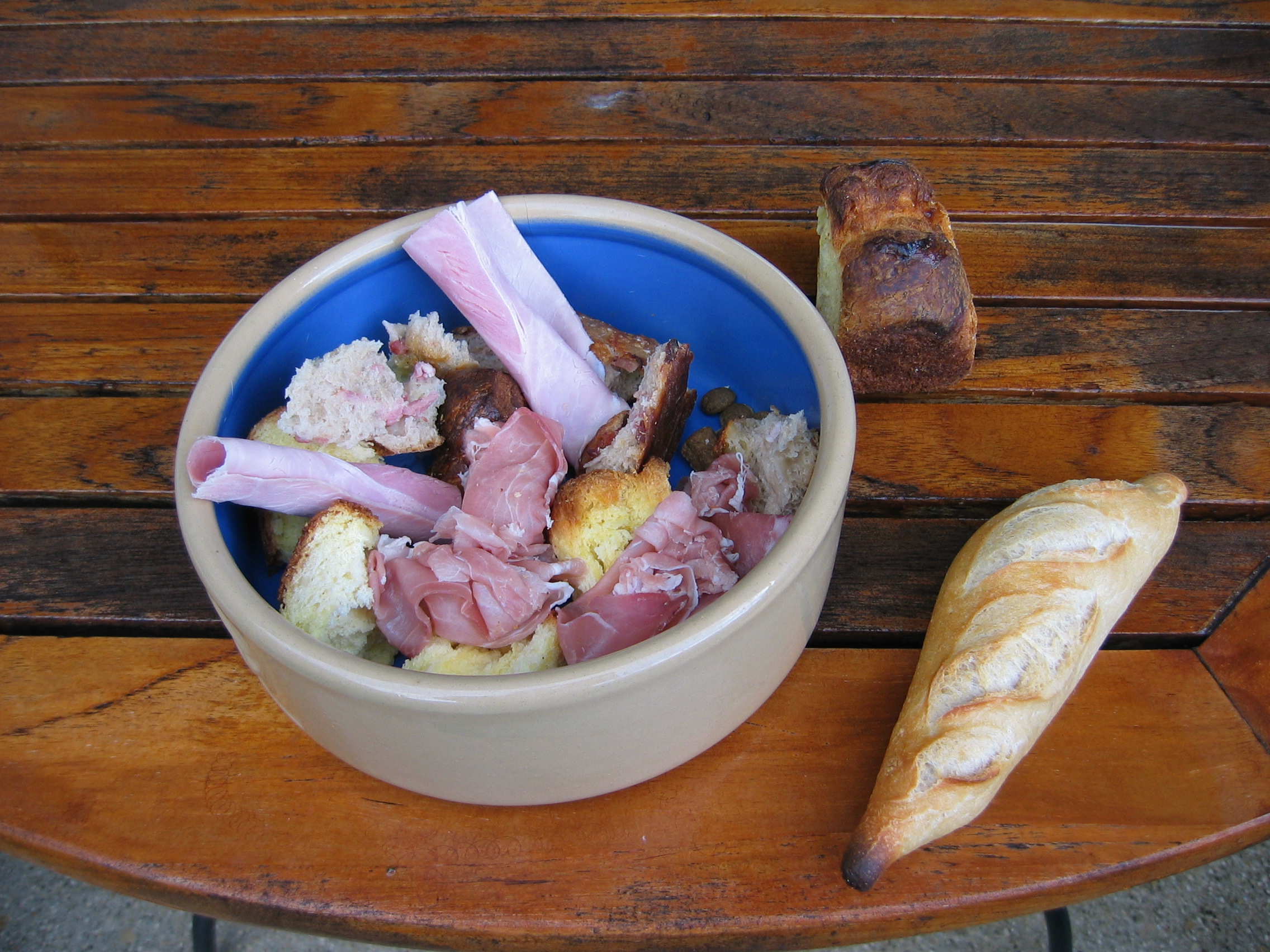
My dogs nodded their approval this morning when, as always I added my last night leftovers to their breakfast spread. Cold fish pie and shrivelled two week old blueberries crowned their kibble. From the time they were pups I’ve given my golden retrievers table scraps. My parents did the same with the terriers I grew up with. I know I’m putty in my dogs’ paws but am I also a bad dog owner? Is it safe to feed them leftovers?
Like most of the people I meet each day at the vet clinic, I’m a sucker for dogs’ unique selling point, their mournful “Do you know I’m starving?” routine. Giving in is one way we tell our pets we love them. But peer-reviewed research published by the respected journal Nature, in their Scientific Reports, suggests that giving my dogs table scraps and leftovers when they were youngsters, together with non-processed meat and berries and raw bones and cartilage improved their health by reducing their risk of developing chronic bowel diseases as adults.
Commercially produced pet food makes life simple for us. The largest companies employ skilled nutritionists to ensure their foods contain everything a dog or cat needs. Ranks of cats and dogs, usually pets of employees, are their official tasters. I once visited the Iams factory in Dayton, Ohio and was impressed by the quality of the ingredients that went in and the precision and uniformity of the kibbles that came out. Feeding kibble is easy but does processing itself have any bearing on bowel disorders?
Irritable bowel diseases (IBD) in humans and chronic bowel diseases in dogs share similarities. Both cause vomiting, diarrhoea, tummy rumbles, abdominal pain, nausea and weight loss all lasting longer than three weeks. These conditions in people and pets are related to interactions between microbes in the gut, food in the gut and the body’s immune system.
When researchers reviewed all the published clinical studies concerning irritable bowel diseases in people they found that people who ate diets high in ultra-processed foods and high in sugars were at the greatest risk of developing irritable bowel diseases. The Nature study of the eating habits of thousands of pet dogs in Finland revealed that dogs that as pups and adolescents ate table scraps, fresh meat, cartilage, bones and berries were less likely to develop chronic bowel diseases as adults. And conversely pups and adolescents that were fed only processed kibble were more likely to develop chronic bowel diseases as adults. Another risk factor for chronic bowel diseases was eating rawhides as pups.
This is my breakfast, not my dog Macy’s.
The role of microorganisms in the gut has become an exciting field to study. When I was a vet student 60 years ago, ‘extruded’ kibble was a new product. At the same time chronic bowel diseases, and allergies seemed uncommon in pets. Both are now quite common. I’ve read a report in the Journal of Internal Veterinary Medicine suggesting that eating heat-processed foods increases the risk of allergies while eating table scraps and organ meats as a pup reduced the risk of allergies.
The gut’s microorganisms are modified by the food that reaches the gut. By giving my dogs table scraps as pups I may have influenced their gut microorganisms in a positive and protective way. My veterinary advise is the same as my besotted dog owner inclinations. Offering table scraps may be as good for your pet’s health as it is for the environment. If you would like to discuss diet in more detail please book a telephone consultation with one of us.