We are committed to provide the same high standard of care during this transition and we look forward to welcoming you and your pet.
Not long ago, vets spent most of our time treating infections or injuries. (When Bruce started working in London he saw dogs with distemper, cats with infectious enteritis and dogs and cats with broken bones every week.) We didn’t pay much attention to pet behaviour but as we understood more about how dogs and cats work we became more aware of their needs and emotions, and of our responsibility to prevent or to treat behaviour problems in these honorary members of our families. That’s why we created the London Vet Clinic’s Behaviour Referral Service.

Dr Natalia Aira Bewick, DVM, MSc (Clinical Animal Behaviour), MRCVS, oversees Behaviour Services at the London Vet Clinic.
Bruce Fogle, MBE DVM MRCVS, the Founder of the London Vet Clinic has written many of the first books about our relationship with pets and about pet behaviour. His book The Dog’s Mind has been in the core curriculum of many professional dog trainer courses for over 30 years.
Preventing problems is always easier and faster than overcoming problems that have developed.
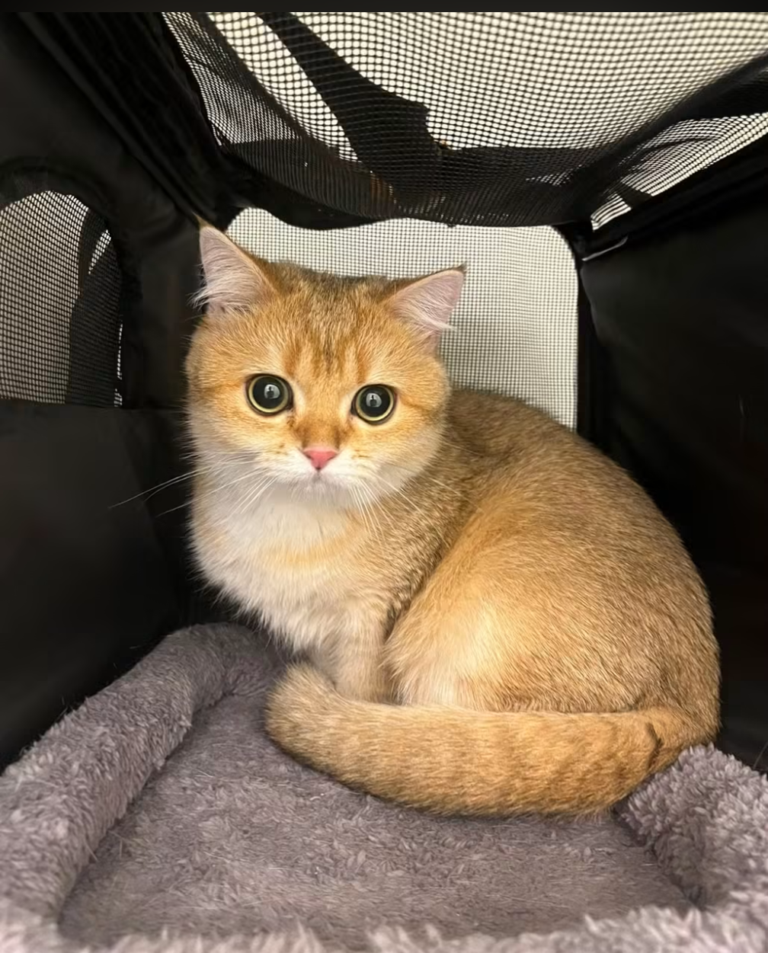
For new kittens we provide you with advice through our ‘Kitten App’ on how to ensure your home is cat friendly. Through video or home consults we can visit your home and advise on what you can do to meet your kitten or cat’s natural needs. At York Street we ensure that your cat’s visits with us are as stress free as possible.
For new pups, we provide through our Puppy App a course that teaches you how to use rewards, make your pup feel safe (for example when left alone), socialize with people and other dogs, walk on a lead with confidence and accept handling by others.
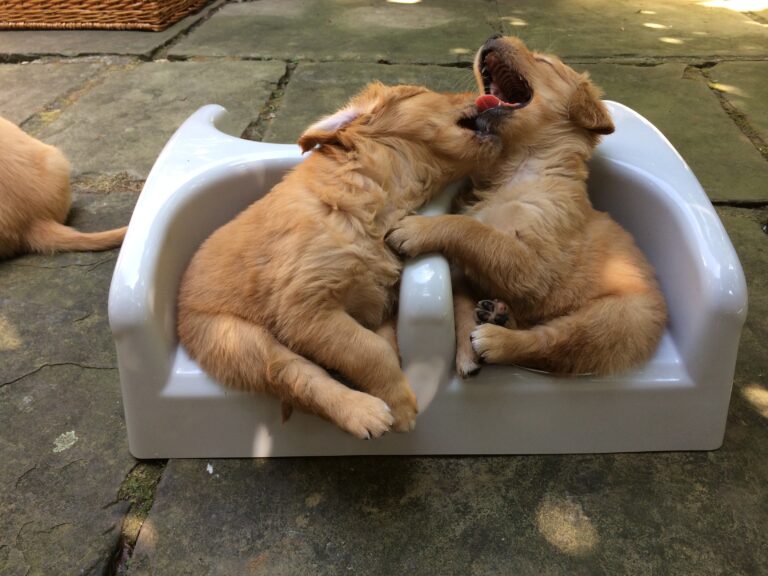
Dogs and cat behaviour isn’t as complicated as human behaviour. While genetics certainly plays a part (Some problems occur more readily in certain breeds.) many problems develop because of a dog’s experiences. Problem behaviours can be reduced or eliminated but correction takes time.
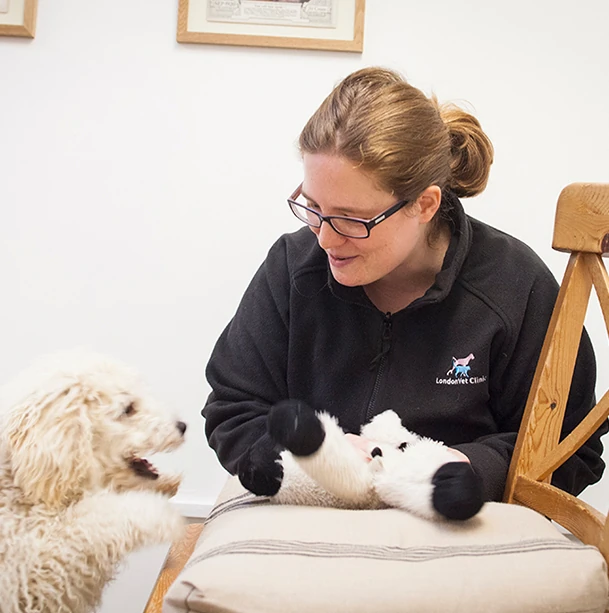
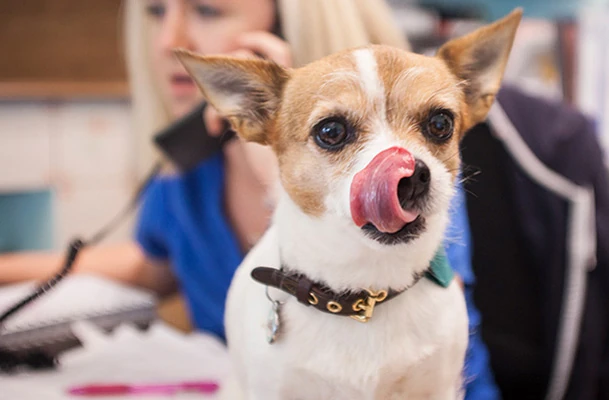
We help you manage a variety of behaviour problems but regardless of what the problem is, don’t expect an instant cure. A full behaviour report includes an assessment of what is happening, a diagnosis of the problem and a thorough treatment plan. Most treatment plans last three months or longer and involve face to face visits, video, phone call and email support.
If your dog has a behaviour problem, the vet nurse or receptionist will ask you a few questions. If she thinks that there is a possible medical component she will book an appointment for you with one of our general practice vets.
If we feel there are no associated medical conditions we will book you an initial fact finding behaviour consultation with Dr. Berwick.
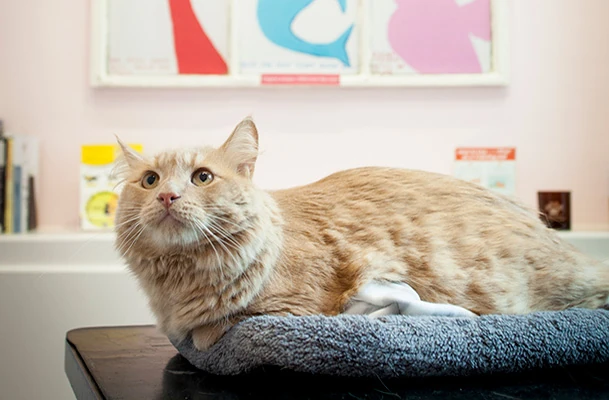
The majority of cat behaviour problems, including aggression, litter tray problems and house soiling problems have their origins in medical problems.
If your cat has developed a behaviour concern we always first undertake a medical assessment with a general practice vet. This involves:
If we find a medical problem we treat that first, before asking Dr. Bewick to become involved. If we feel pain is involved, treatment includes pain relief for at least 6 weeks.
Even when medical causes of behaviour changes, such as cystitis or joint pain, are controlled or eliminated, behaviour problems can continue, because there’s a learned component. So illness and behaviour sometimes need to be managed at the same time and Natalia will create a bespoke programme for your cat.