Our multidisciplinary referral team includes experienced specialists in Dermatology, Ophthalmology, Internal Medicine, Cardiology, Neurology, and Behavioural Medicine. Working together, they provide advanced diagnostics, expert treatment, and personalised care for complex cases.
With over 50 years of experience, we have seen veterinary medicine evolve significantly. While tertiary referral hospitals offer excellent specialist care, treatment can often be expensive and involve travelling long distances.
We provide affordable, accessible second-opinion consultations and advanced treatment options closer to home. Our highly experienced clinicians include former veterinary school lecturers, specialist department heads, and Fellows of the Royal College of Veterinary Surgeons (FRCVS), delivering expert care without the need for referral in many cases.
Combining specialist expertise with a compassionate approach, we are committed to achieving the best possible outcomes for pets and supporting their owners throughout every stage of treatment.
Our referral centre spans three adjoining properties at 84, 86, and 88 York Street, providing a modern, welcoming environment for pets, owners, and referring vets.
Facilities include three reception areas, five consulting rooms (including a dedicated behaviour suite), cat and dog day dens, fully equipped surgical and dental theatres, digital X-ray and ultrasound facilities, an in-house laboratory, and a dispensary.
Advanced diagnostic equipment includes ECG, Doppler blood pressure monitoring, diagnostic endoscopy, and specialist ophthalmology instruments, enabling our clinicians to provide high-quality diagnosis, treatment, and ongoing care.
Internal medicine services cover hormonal, gastrointestinal, urinary, haematologic (blood related), respiratory, infectious, and immune-mediated diseases. The facilities at the London Veterinary Clinic are co-ordinated by Grant Petrie.
Grant investigates medical conditions which are uncommon, complicated or difficult for GP vets to accurately diagnose and treat. These conditions can be broad, may affect one or more organs and may include:
Our objective is to make an accurate diagnosis as rapidly as possible while at the same time putting your pet (and you) to a minimum of inconvenience.
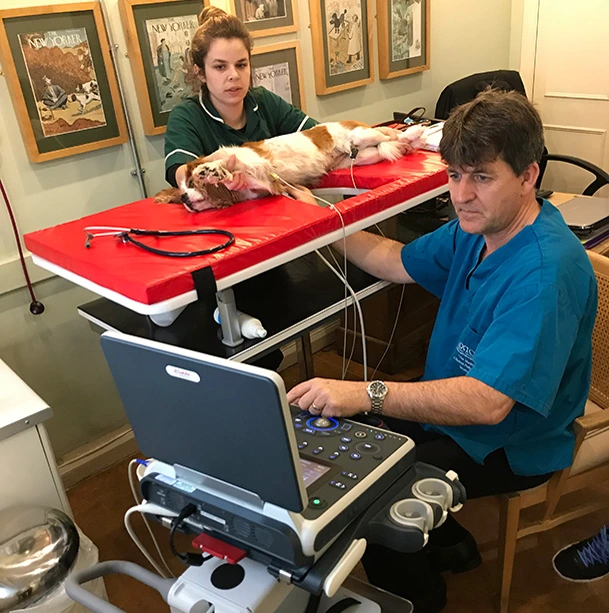
Most heart conditions including rhythm disturbances are diagnosed by performing an ultrasound of the heart (echocardiography), electrocardiography (ECG) and/or chest x-rays. For echocardiography and ECG, your companion lies on his or her side on a cushioned table while Dr Grant Petrie (helped by an experienced clinical vet nurse) investigates how the heart is working. Treatment of heart conditions is usually provided by medication.
Grant’s on-site facilities include colour and spectral Doppler echocardiography, digital thoracic radiography, digital ECG recording, blood pressure monitoring and when it is beneficial 24/48 hour ambulatory ECG (Holter) monitoring.
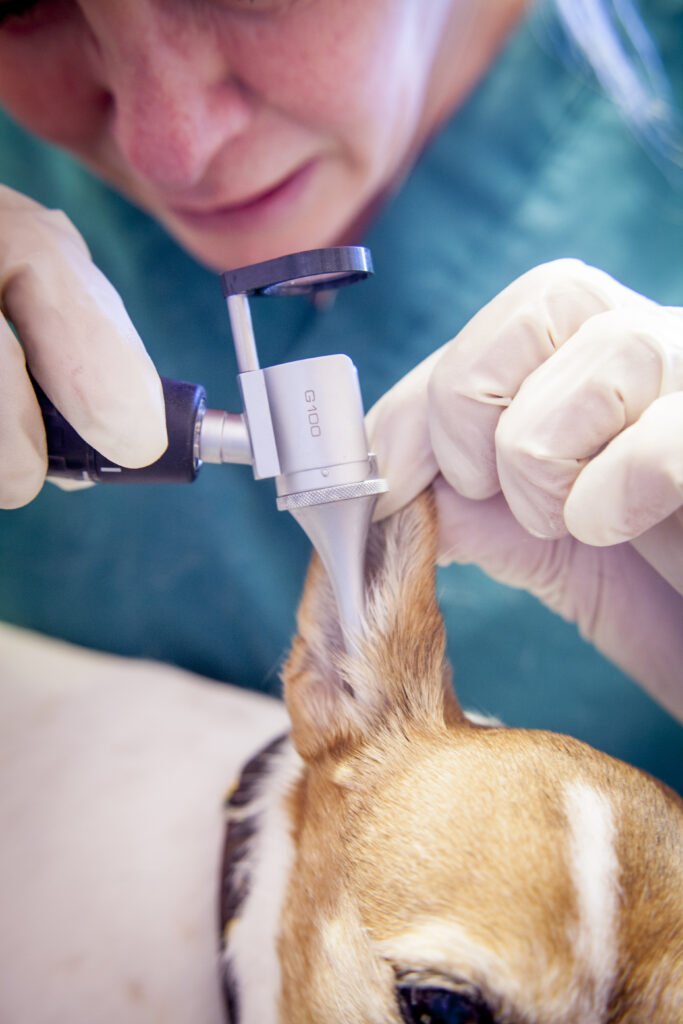
Dr Erin Brennan, our resident European Specialist in Veterinary Dermatology, accepts referrals for dogs and cats with persistent or complex skin and ear conditions, including allergies, autoimmune diseases, and chronic infections.
Following specialist training at the Royal Veterinary College and University College Dublin, Dr Brennan provides advanced diagnostics and tailored treatment plans to improve your pet’s comfort, skin health, and quality of life.
Diagnostic investigations are tailored to each patient and may include skin and ear cytology, skin scrapings, allergy testing, skin biopsies, and advanced ear examinations where appropriate.
Working closely with our multidisciplinary referral team, Dr Brennan provides coordinated, comprehensive care for pets with challenging dermatological conditions.
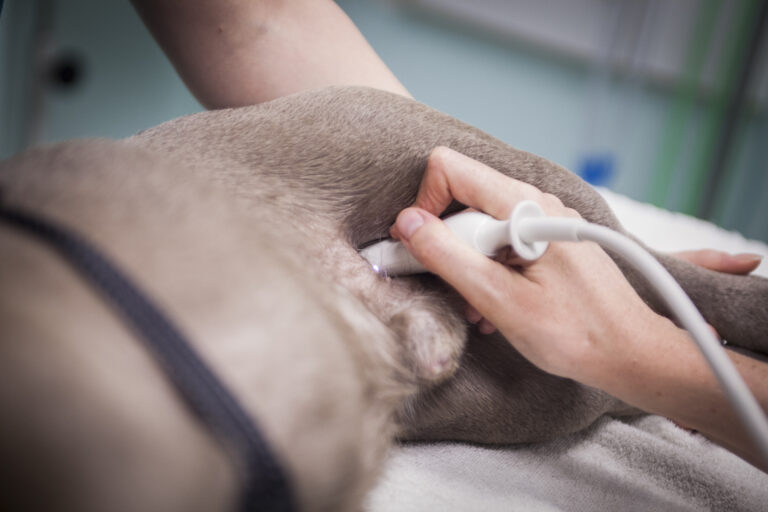
Diagnostic imaging plays an important role in assessing many neurological conditions. At York Street, we offer both radiography (x-rays) and ultrasonography (ultrasound) as part of our diagnostic services.
Dr John Parker sees referred dogs and cats with a wide range of neurological disorders, including seizures, balance problems, collapse, neck and back pain, weakness, paralysis, inner ear disease, and behavioural changes linked to underlying metabolic conditions. He takes a holistic approach to every case, considering your pet’s overall health, lifestyle, and your expectations and goals for treatment. As every patient is unique, recommendations are tailored to the individual circumstances of each case.
A thorough investigation is the essential first step in identifying the location and likely cause of the underlying condition. Depending on the findings, Dr Parker may recommend blood testing, cerebrospinal fluid analysis, diagnostic imaging, or other investigations. Standard radiography can often provide valuable information, while a smaller number of patients may benefit from MRI scanning. When advanced imaging is required, Dr Parker works closely with The Ralph Referral Hospital, which provides access to a 1.5 Tesla MRI scanner.
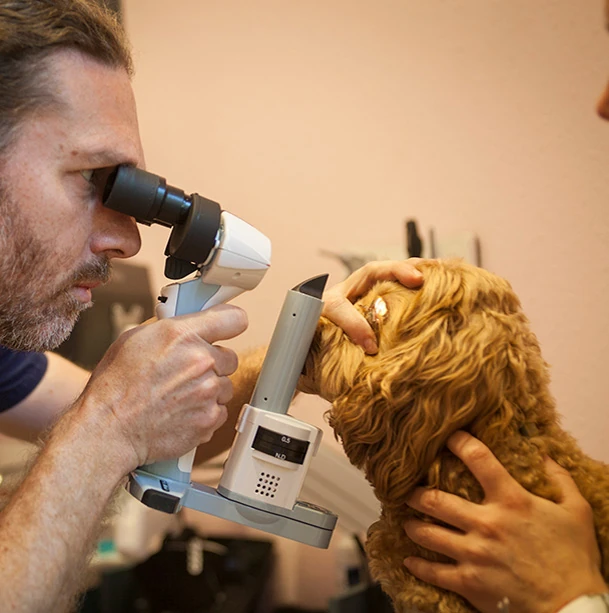
An initial consultation includes a history taking and eye examination. We have the same equipment for measuring the pressure in the eyes (glaucoma) as you may have experienced when visiting an optician or ophthalmologist.
As well as ophthaloscopes in all the exam rooms we also have an advanced slit lap for detailed examination of all parts of the eyes. Our GP vets are experienced with treating all common eye conditions but when they feel that it’s in your pet’s interest to be seen by a specialist, Dr David Williams visits York Street.
Dr Williams is Cambridge University’s vet school’s resident ophthalmologist. He has decades of both teaching and clinical experience. experience treating a wide range of eye conditions including:
When eyes need surgical repairs these can be done at York Street and your companion is back home the same day.
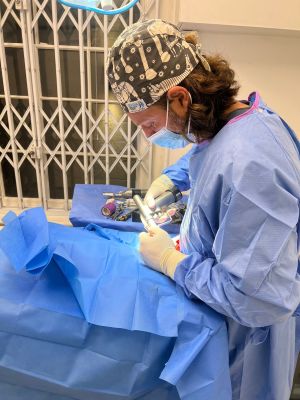
The most common sudden joint injury seen in dogs is a torn anterior cruciate ligament. Dr James Creasy is one of the country’s most experienced veterinary surgeons using the Tibial Plateau Levelling Osteotomy (TPLO) procedure to repair cruciate injuries in dogs’ knees. He performs approximately 700 cruciate repairs each year and has been carrying out this work for over 10 years.
He is also highly experienced in correcting luxating patellae, particularly in small breed dogs, and in using arthroscopy to investigate and treat painful elbow conditions, which are not uncommon in Labradors and similarly sized breeds. In addition, he routinely performs surgery to repair fractured bones.
At the London Vet Clinic, we undertake all procedures as ‘out-patient’ activities. We have glass fronted day ‘dens’ for each dog or cat as well as larger walk-in facilities for giant dogs. These are set up so that dogs and cats are in separate rooms and no animal is looked at by another. Animals needing extra oxygen have their own oxygen ‘den’.
Dr Elise Robertson has over 15 years clinical experience in advanced endoscopy. Elise routinely does ‘lap spays’, minimally invasive neutering ops. She also provides minimally invasive nose and ear investigations and when needed minimally invasive internal biopsies.
When a dog or cat needs continuing care overnight we will arrange for this to be done at a 24 hour facility, usually the Veteris hospital in Shoreditch.
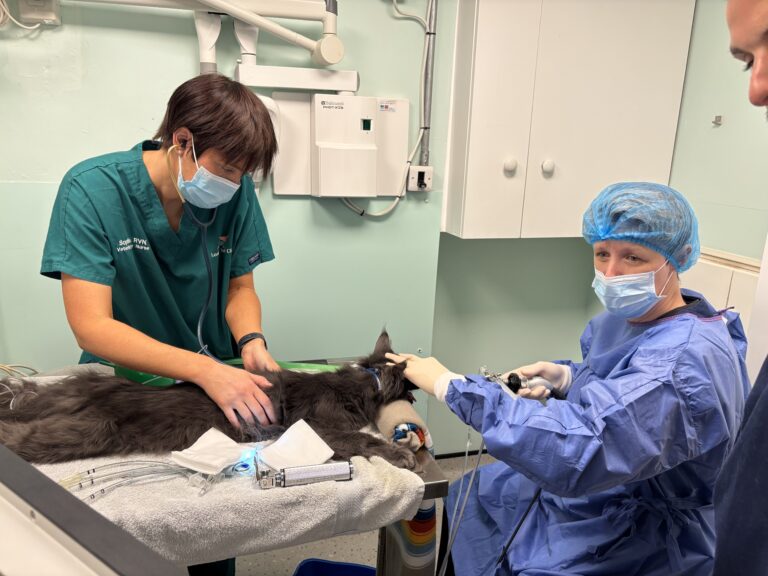
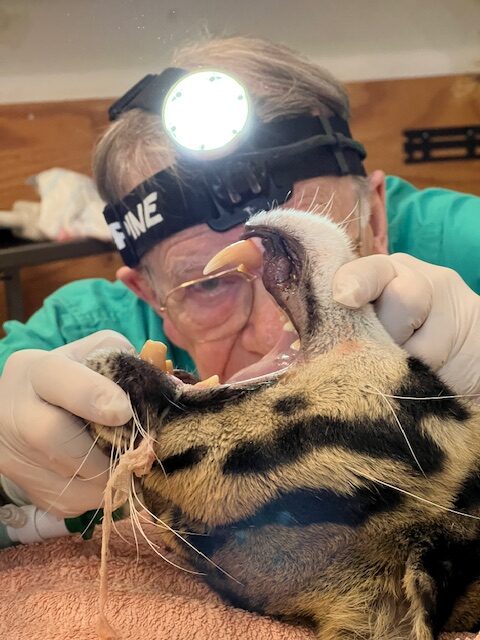
Dental and gum disease prevention is an important part of your pet’s overall health. We provide advice on maintaining healthy teeth and gums, along with full diagnostic and treatment services when problems occur.
Dental disease is very common in dogs and cats and often requires treatment under general anaesthesia. Dental X-rays are used to identify disease below the gum line, and treatment may include scaling, polishing, and extractions, supported by two veterinary nurses. Our London Vet Clinic has a dedicated dental suite to ensure high standards of care.
For more complex cases, we are supported by Peter Kertesz, a highly experienced veterinary dental surgeon with over 40 years’ experience, who is an Honorary Associate of the Royal College of Veterinary Surgeons and Dental Consultant to London Zoo and other major wildlife institutions.
Sarah is a Chartered Physiotherapist and Veterinary Physiotherapist, registered with the HCPC and CSP. She holds a BSc (Hons) in Physiotherapy from Keele University and an MSc in Veterinary Physiotherapy from the Royal Veterinary College, combining expertise in human and animal rehabilitation to deliver evidence-based care for companion animals.
Consultations are carried out in a dedicated physiotherapy room at York Street, providing a calm, professional environment for assessment and treatment. She provides musculoskeletal and neurological assessments, hands-on therapy, rehabilitation programmes, and tailored exercise plans. Her key interests include chronic pain management, osteoarthritis, post-operative rehabilitation, and neurological conditions, working closely with owners and veterinary teams to improve mobility, comfort, and quality of life.
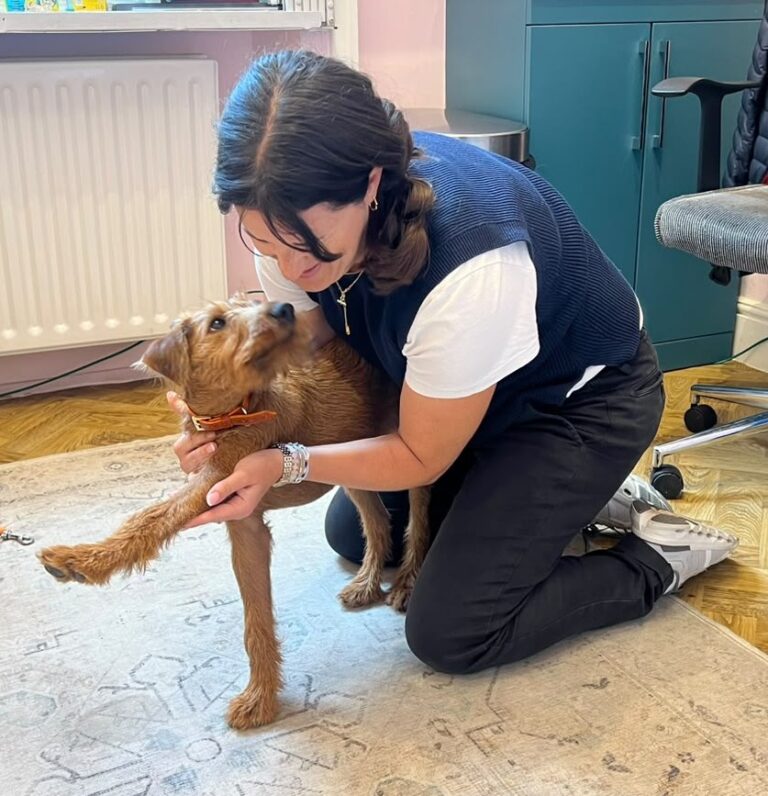
Our behaviour service at London Vet Clinic is provided by veterinary behaviourist, Natalia Aira Bewick. Our bespoke service can help you manage and prevent any behaviour problems in dogs and cats.
A thorough, individual assessment is carried out to provide you with a tailored behaviour therapy plan. This may include a training plan, medical diagnostics, behaviour medications (psychotropics) and/or supplements. Natalia and Vicky who is also an MSs in clinical animal behaviour have created a unique puppy and kitten apps exclusive to the London Vet Clinic.